Our last Consortium meeting is over, and it was great!
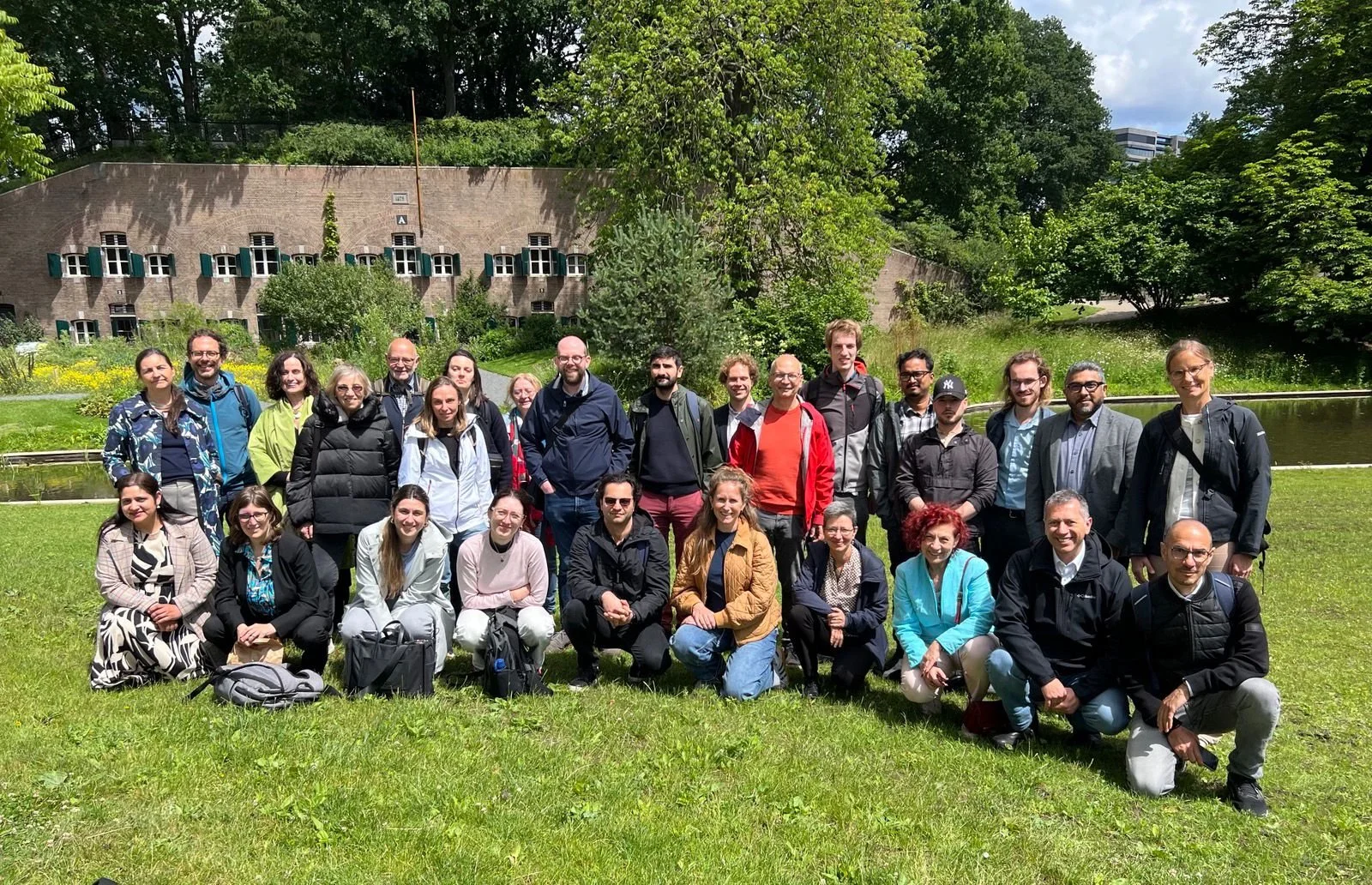
Group photo last ETAIN annual meeting Utrecht 2026
There is something particular about the second-to-last chapter of a story. The ending is close enough to feel real, but there is still time to shape it. That is where ETAIN stands today.
Last week, the consortium gathered in Utrecht for the annual General Assembly, the last one before the project enters its final stretch. Four years of parallel research across humanhealth, ecosystem science, exposure modelling, citizen engagement, and communicationcame into the same room, as they do every year. But this edition had a diQerent quality to it.
The working sessions covered progress across all areas of the project. Tools have been builtand refined. Data has been collected, by researchers and by citizens. Models have beentested against reality. The scientific picture is becoming clearer, and the evidence base thatETAIN committed to building for European regulators and standards bodies is taking shape.
But perhaps the moment that best captured what ETAIN is about, came on the final day. In a working session that brought together partners from every work package, the Consortium did something that research projects rarely take the time to do: it took a pause to ask what all of it adds up to. Not as a reporting exercise, but as a genuine collective reflexion. What is the impact ETAIN promised when this project began? How does each piece of work connect to that larger goal? And what does the Consortium need to do, individually and together, in the time that’s left?
The conversation that followed was really encouraging and worthwhile. Teams who spend most of their time deeply involved on their own “things” -exposure maps, insect physiology, dose modelling, network planning or communicating with citizens- were able to find a consensus on what is ETAIN about and what is their team’s contribution to the greater impact. The shared purpose that has guided four years of work became, in Utrecht, something everyone in the room could see and name and agree upon.
That kind of alignment is not guaranteed in a Consortium of this size and disciplinary breadth.
And when it happens, it matters.
ETAIN was designed around a conviction: that understanding the relationship between radiofrequency electromagnetic fields and health, both human and planetary, requires researchers, engineers and citizens, working from the same set of questions. Utrecht was a reminder that bringing such different disciplines into a single research effort was the right call.
Four years in, the project retains the energy of its original ambition. That is not a small thing.
The work continues.
